By Petra Nolan. Publisher: costlessmingle Virtual Play Reading Room.
A bright balance can make a game feel busy before you have touched a control. Social casino credits are easier to follow when you separate three things: the points available, the points used for a round and the result shown afterwards. This 2026 guide is about reading those details, so the screen supports a pleasant break instead of becoming a puzzle of unexplained numbers.
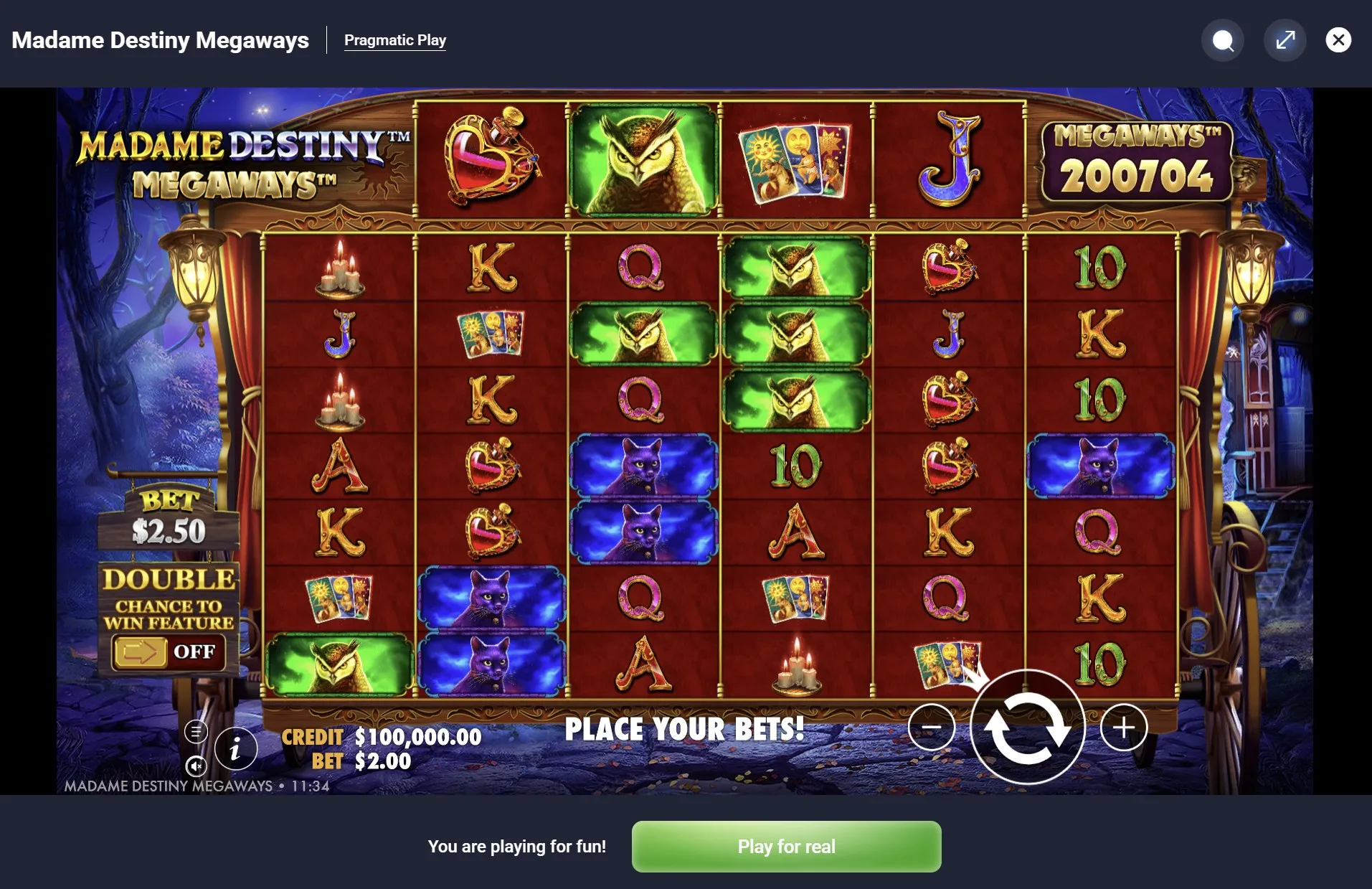
What a virtual balance tells you
On costlessmingle, the stated purpose of the games is entertainment with virtual currency that has no monetary value. A larger number therefore means more displayed points, not an amount waiting to be withdrawn. Keep that distinction in mind when a screen uses familiar words such as win, reward or bonus. Those words need the context of the game rules to make sense.
Social casino credits may appear beside several other counters. A score can track progress, while a feature meter can show steps towards an in-game event. Neither is automatically the same as the balance used to start a round. Before comparing two numbers, read their labels. If the help panel does not explain a counter, leave it as an open question rather than assigning it a cash meaning.
Three useful distinctions
- A balance describes available virtual points at that moment.
- A round setting describes how many points the next action uses.
- A reward display describes an outcome under the game’s own rules.
Follow one round slowly
You do not need a long session to understand the basic flow. Choose a setting you can read easily, then watch one complete round without changing several controls at once. The aim is to recognise where the information appears. A celebration may cover the balance briefly, so give the animation time to finish before deciding what changed or pressing the next button.
- Open the rules and identify the balance and round cost.
- Note the starting points and keep the setting unchanged.
- Let one round finish, then read any result message.
- Compare the final balance with the starting balance.
For a simple imaginary example, begin with 100 points, use 10 and receive 4 back. The ending balance would be 94 if those are the only changes. A display celebrating the 4 does not mean the balance increased overall. This example explains arithmetic only; it is not a description of a particular title, a typical result or a way to predict what will happen next.
When returning after a break, check the setting again before using social casino credits. The screen may show a different selection from the one you remember. Reading the label takes only a moment and helps you understand the next action without relying on memory or the size of a familiar button.
Compare labels before comparing games
| Label | Useful question |
|---|---|
| Balance | Is this the total available now? |
| Round cost | Does this cover the whole next round? |
| Reward | Is this a return before or after the cost? |
| Progress | What event does this meter actually track? |
When looking at social casino credits across different games, a larger starting total does not by itself tell you which game lasts longer. The round cost and the rules matter too. Keep comparisons descriptive: clear labels, readable help and controls that respond as expected. There is no need to turn a casual choice into a search for a secret pattern in a short run of results.
If another person joins you, explain the counters before discussing outcomes. Our guide to social gaming with friends covers that shared pace. For small text or cramped controls, see mobile session comfort. Both are useful when the presentation distracts from understanding what a button does.
Author’s opinion
I prefer games whose basic counters need little explanation. Social casino credits should remain a simple part of the entertainment, not a reason to keep checking a balance after the fun has faded. My choice is to learn the controls, enjoy the theme and stop at an ordinary moment. A clear screen and an easy exit matter more to me than an impressive-looking total.