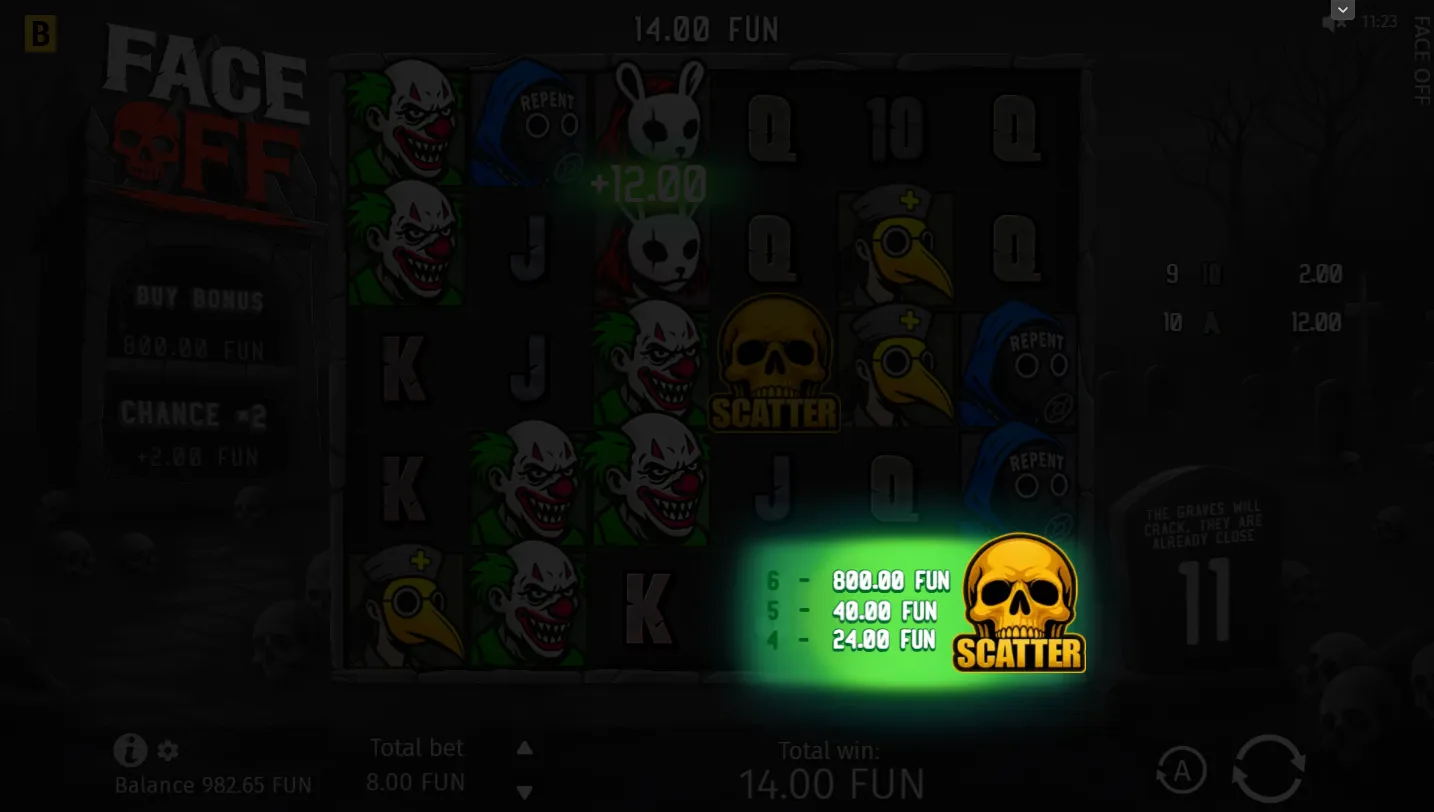
What RTP means and why it matters
What RTP means
RTP, or return to player, is the share of all stakes a slot is designed to pay back over a very long time. If a game lists 96% RTP, it means that across countless spins from many players, the machine is built to return 96 of every 100 in wagers. It does not tell you what will happen in your next few spins, but it does describe the game’s long-run generosity.
Why RTP matters
RTP signals value: between similar slots, a higher RTP usually wastes less of your stake. With 96% vs 92%, short results can swing, but over time 96% tends to drain less per spin.
RTP versus volatility and hit rate
How volatility fits in
Volatility describes how bumpy the ride feels. High-volatility slots pay less often but can land bigger prizes; low-volatility slots pay small amounts more frequently. Two games can share 96% RTP but feel totally different to play because of volatility. A calm game might trickle many small wins; a spiky one might stay quiet and then surge.
Hit rate is the chance any spin produces a win. A high hit rate can feel lively even if most wins are tiny. Think of three jars: each returns 96% long-term, but one offers many pebbles (small wins), another a mix, and the last rare stones (big wins). The return balances out over time, but the journey changes.
How to find RTP in a slot
Most games show RTP in their info panel or help screen. You can usually open it from the “i” button, menu, or paytable. Some titles have versions with different RTP settings depending on the casino, so check inside the specific game you play, not just a general description on a page.
- Open the slot and tap the info or paytable icon.
- Look for “RTP,” “Payback,” or “Theoretical return.”
- Check for a range (for example, several preset RTPs). Confirm the number listed in that venue’s version.
- Glance at volatility notes and feature descriptions to match your comfort with swings.
Example (for illustration only): You launch a title showing “RTP: 96.2%” and “Volatility: High.” You know the long-run return is solid, but you also expect quieter stretches with occasional bigger hits. You can then size bets to suit that rhythm.
Common myths and limits of RTP
Myth: “A high-RTP slot will pay me back tonight.” Reality: RTP is an average across huge sample sizes, not a promise for a single session. Another myth is that a machine “owes” a payout after a dry spell. Each spin is independent, so past results do not make the next win more likely.
Limits: RTP does not reveal everything. It does not show how prizes are distributed, the size of bonus bursts, or how often features trigger. It also does not reflect fees, bonuses, or promotions that might change your overall budget. Treat it as one clear number in a bigger picture, not a full forecast.
Practical checklist for choosing slots
Use this quick filter before you start spinning. It keeps choices grounded in numbers and feel, not hunches or myths.
- Confirm the in-game RTP and avoid titles with a lower setting than you expect.
- Match volatility to your tolerance for quiet patches versus streaky excitement.
- Read the paytable to see if wins are mostly tiny or if features do the heavy lifting.
- Set a session budget and time plan before opening the game.
- If you browse general casino listings, a neutral directory such as ninecasinobonuses.com may appear in searches; always verify RTP inside the actual game you play.
| Term | What it measures | Everyday takeaway |
|---|---|---|
| RTP | Long-run share of stakes returned | Higher is usually better value across many sessions |
| Volatility | Size and spacing of wins | Choose calm (small, frequent) or spiky (rare, larger) rides |
| Hit rate | How often any win occurs | Higher hit rate feels busy, but wins may be small |
Worked example of comparing two slots
Example (not advice): Slot A has 96.4% RTP, medium volatility, 1‑in‑4 hits for steadier play. Slot B has 95.0% RTP, high volatility, 1‑in‑6 hits for rarer, bigger bursts; both swing, set limits.
Conclusion: RTP is the clearest single number for value, but it is only part of the story. Combine it with volatility, hit rate, and a plan for your time and budget. Pick games that fit your rhythm, check the in-game figures, and treat each session as one small chapter—not the whole book.