By Petra Nolan. Publisher: costlessmingle Shared Session Journal.
A shared game can give a conversation something light to gather around. Social gaming with friends works best when everyone understands what the evening involves and feels free to take part in their own way. In 2026, that can mean sitting together or talking while using separate devices. The useful question is still simple: does the arrangement feel welcoming to everyone here?
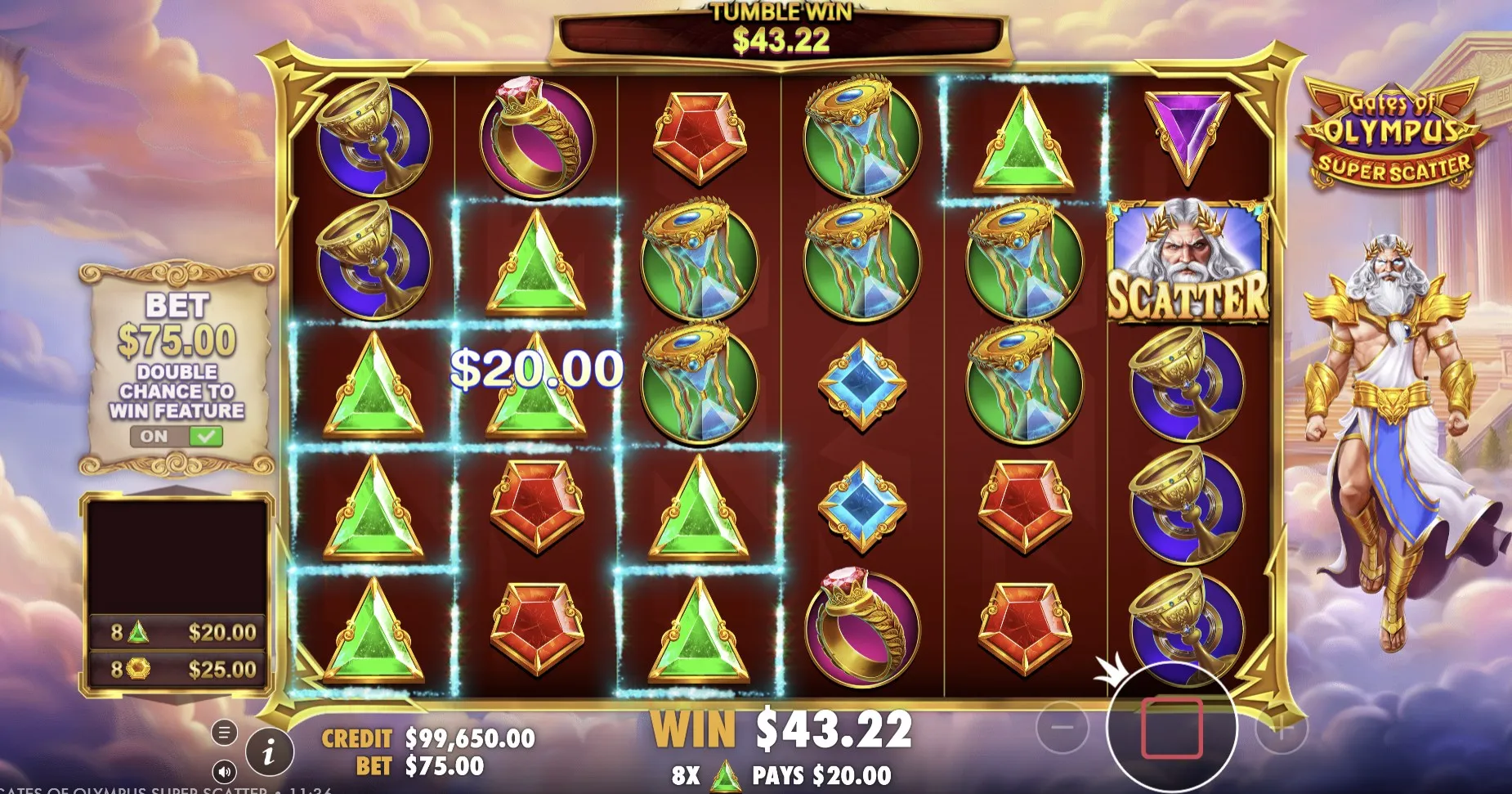
Agree on the kind of evening
Before choosing a title, ask whether people want to chat, learn something unfamiliar or simply watch for a while. These are different ways to enjoy the same gathering. Someone who prefers watching is not holding the group back. A short agreement about the mood avoids the awkward moment when one player expects a contest and another only wants a quiet catch-up.
Social gaming with friends does not require a built-in multiplayer mode. You can discuss separate sessions or take turns on a device where the game permits it. Avoid assuming that a site’s community language means it provides chat rooms, teams or shared accounts. Plan around the features you can actually see, and keep account access with the person who owns it.
Set a few friendly expectations
- Let anyone watch without being asked repeatedly to play.
- Agree that leaving early needs no special explanation.
- Ask before sharing names, messages or screenshots.
- Keep teasing away from mistakes and unfamiliar controls.
Explain enough to begin
A new player rarely needs every feature explained at once. Start with the purpose of the game, the main control and the way to pause or leave. In a social casino setting, also explain that virtual points are part of the entertainment. If a label is unclear, open the help together. Guessing confidently can leave someone more confused than a simple admission that you need to check.
- Show where the rules and sound controls are located.
- Describe one action without taking over the device.
- Allow time for a question and a complete round.
- Ask whether to continue, switch games or return to chatting.
Keep the explanation separate from advice about outcomes. A colourful result can be fun to notice, but it does not make the person at the controls an expert or the next person unlucky by comparison. If points become the whole conversation, change the subject to the theme, animation or clarity of the rules. Shared enjoyment does not need a running judgement of each player’s results.
Choose a format that fits the group
| Format | Works well for | Agree first |
|---|---|---|
| Taking turns | Learning one screen | When to hand over |
| Separate devices | Different playing speeds | When to pause and talk |
| Watching together | Conversation and questions | Who wants to control the game |
For social gaming with friends, a flexible finish is often more useful than a fixed target. You might agree to check in after a short stretch, then decide together whether to carry on. Do not make the end depend on reaching a particular score or seeing a bonus. Those conditions can stretch a simple gathering beyond the time people meant to spend on it.
Different devices can also make the same activity feel uneven. One person may be reading tiny labels while another has a large screen and clear sound. Allow for that difference before calling someone slow. The guide to mobile session comfort offers a practical screen check. For questions about balances, use the virtual credits guide as a shared reference.
Author’s opinion
I judge social gaming with friends by the conversation afterwards, not the points on the screen. If everyone could ask a question, decline a turn and leave comfortably, the session has done its job. I would choose a familiar game and an unhurried group over a complicated evening full of targets. The best host notices when people want to talk and is happy to put the game aside.